Drop everything. Look up.
The clouds, darkness, moon, and Milky Way are cooperating. Suspicious, but beautiful.
Now live · free on the App Store
Sky Daddy checks the things that actually matter, then gives you a straight answer with a little celestial attitude.
Available for iPhone and iPad · No account · No ads · No in-app purchases
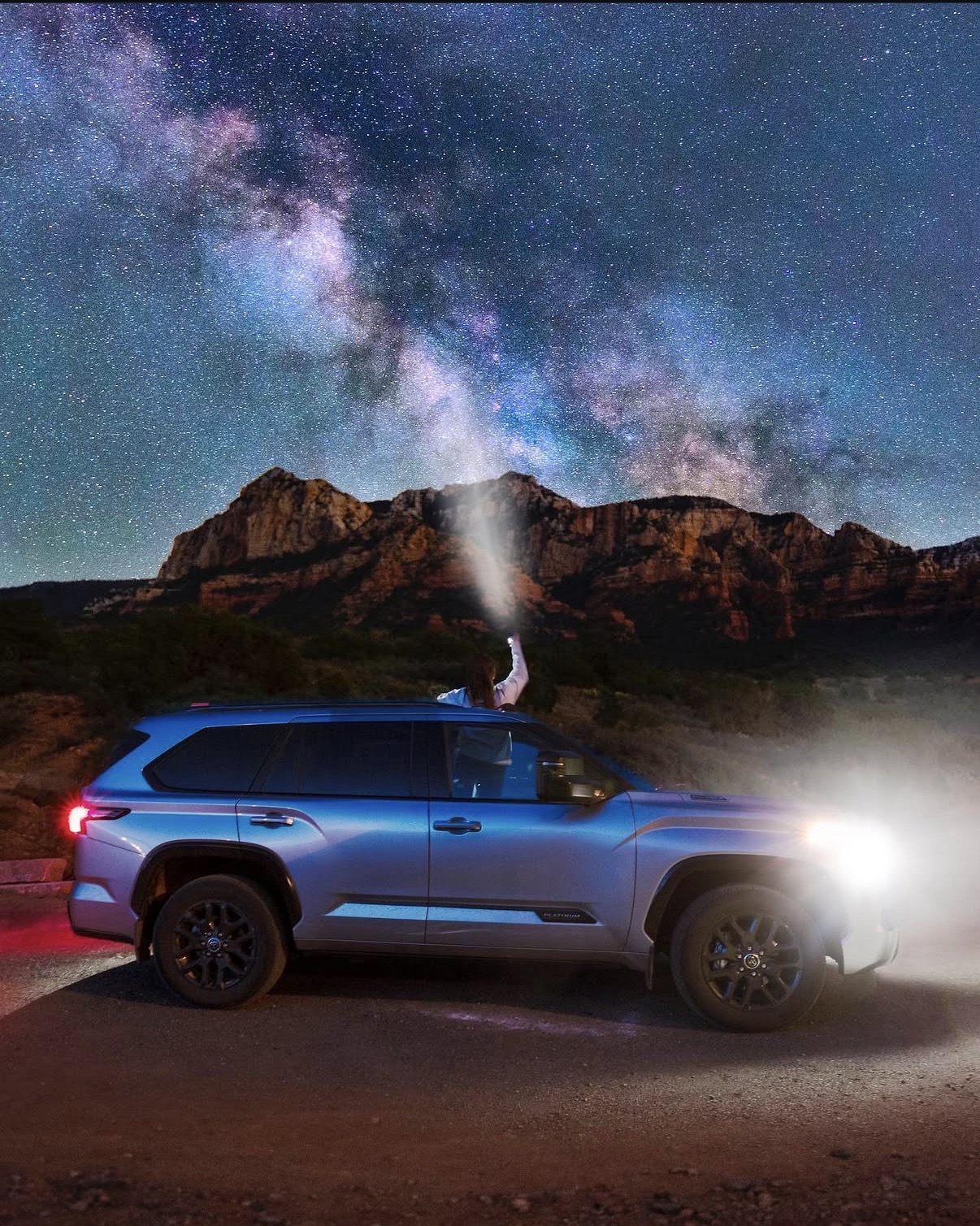
Your celestial enabler
Clear skies are only part of the story. Moonlight, clouds, light pollution, Milky Way visibility, and timing can turn “technically clear” into “absolutely not worth putting on real pants.” Sky Daddy pulls the useful pieces together so you can decide quickly.
How to read it
The big number is a sky-viewing score out of 100, not a temperature and not a promise from the universe.
Sky Daddy uses the strongest upcoming viewing hour shown in the overnight timeline as tonight’s score. Check the hour-by-hour cards to see when conditions peak and whether waiting an hour will save the night.
The clouds, darkness, moon, and Milky Way are cooperating. Suspicious, but beautiful.
A genuinely good window. Tomorrow-you can complain. Tonight-you has stars to see.
Not a hard no. Check the hourly scores for a clearer gap before committing to real pants.
Clouds, bright skies, moonlight, or bad timing are winning. Protect your sleep schedule.
What earns the points
The score weighs four conditions. Clouds matter most, followed by light pollution, moon interference, and Milky Way position. The forecast can change quickly, so the score can too. Sky Daddy is helpful, not omnipotent.
Clouds get the loudest vote because you cannot admire stars through a celestial duvet. Very cloudy hours are automatically capped.
Sky Daddy estimates your Bortle class. If you know the local class, adjust it in the app for a sharper score.
The app considers both illumination and whether the moon is above the horizon. A bright moon below the horizon is far less rude.
The score gets a lift when the galactic core is above the horizon, and the app shows its viewing window and direction.
See the strongest upcoming hour, projected score, cloud cover, and feels-like temperature before you leave the couch.
Compare overnight scores through sunrise instead of assuming the whole night is equally good or equally doomed.
See whether the galactic core is visible, when to look, and which direction deserves your attention.
Find each night’s best window before you commit to caffeine, childcare, or a drive into the dark.
Why I made it
Planning a night under the stars used to mean checking a weather forecast, cloud cover, the moon phase, moonrise and moonset, a light-pollution map, and an astronomy app. Then came the mental math: is it actually worth going out?
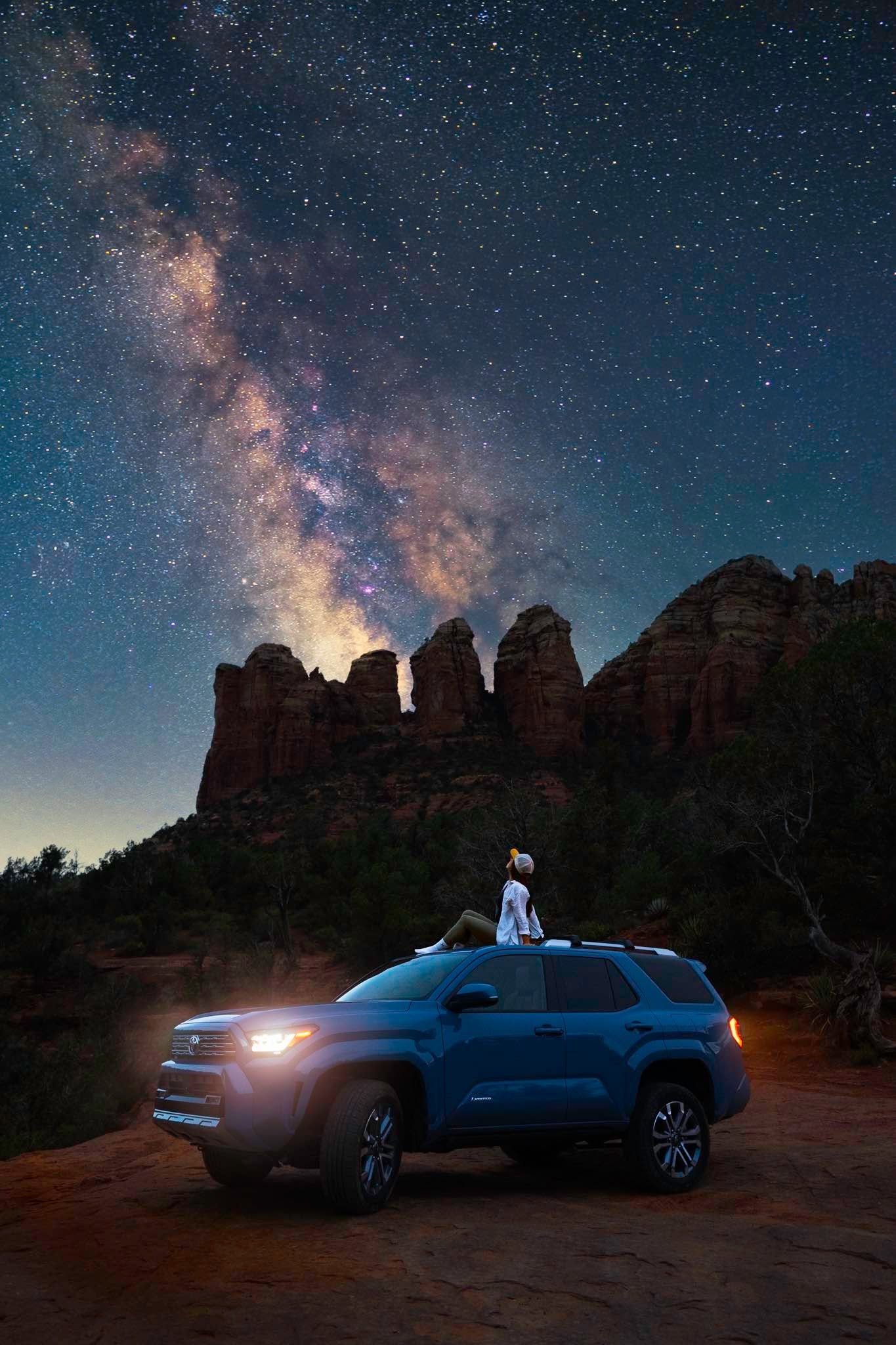
As an Arizona photographer, I know “clear” does not always mean “good.” A full moon can bleach the stars. A dark-sky spot can still be buried under clouds. The Milky Way can be technically out there while its core is below the horizon being profoundly unhelpful.
So I built the tool I wanted: one fast answer, the best time to look, and enough detail to understand why. The tone is playful because the sky is magnificent, but planning around it does not need to feel like homework.
Why it is free
I made Sky Daddy to be useful and easy to pass along. There is no account, no advertising, no tracking, and no paid tier hiding the part you actually need.
Your location is used only to make the forecast local. If you skip location access, the app defaults to Sedona, Arizona. That is it. No celestial fine print.
Read the straightforward privacy policy →Good questions
No. Forecasts change, mountains make their own weather, and the universe declined to sign a service-level agreement. Use the score as a planning tool and check what is happening around you.
Sky Daddy refreshes forecast conditions, and cloud cover can change fast. Your score also changes when you adjust the estimated Bortle class for local light pollution.
No. Location makes the forecast specific to you, but you can deny access. The app will use Sedona, Arizona as its default location instead.
Nope. It is for stargazers, campers, families, date nights, meteor-watchers, and anyone who would prefer not to drive somewhere dark just to admire a ceiling of clouds.
The sky is waiting
Free for iPhone and iPad. Your sleep schedule has been warned.
Get Sky Daddy free ↗