
Northern Arizona Travel Guide · Flagstaff
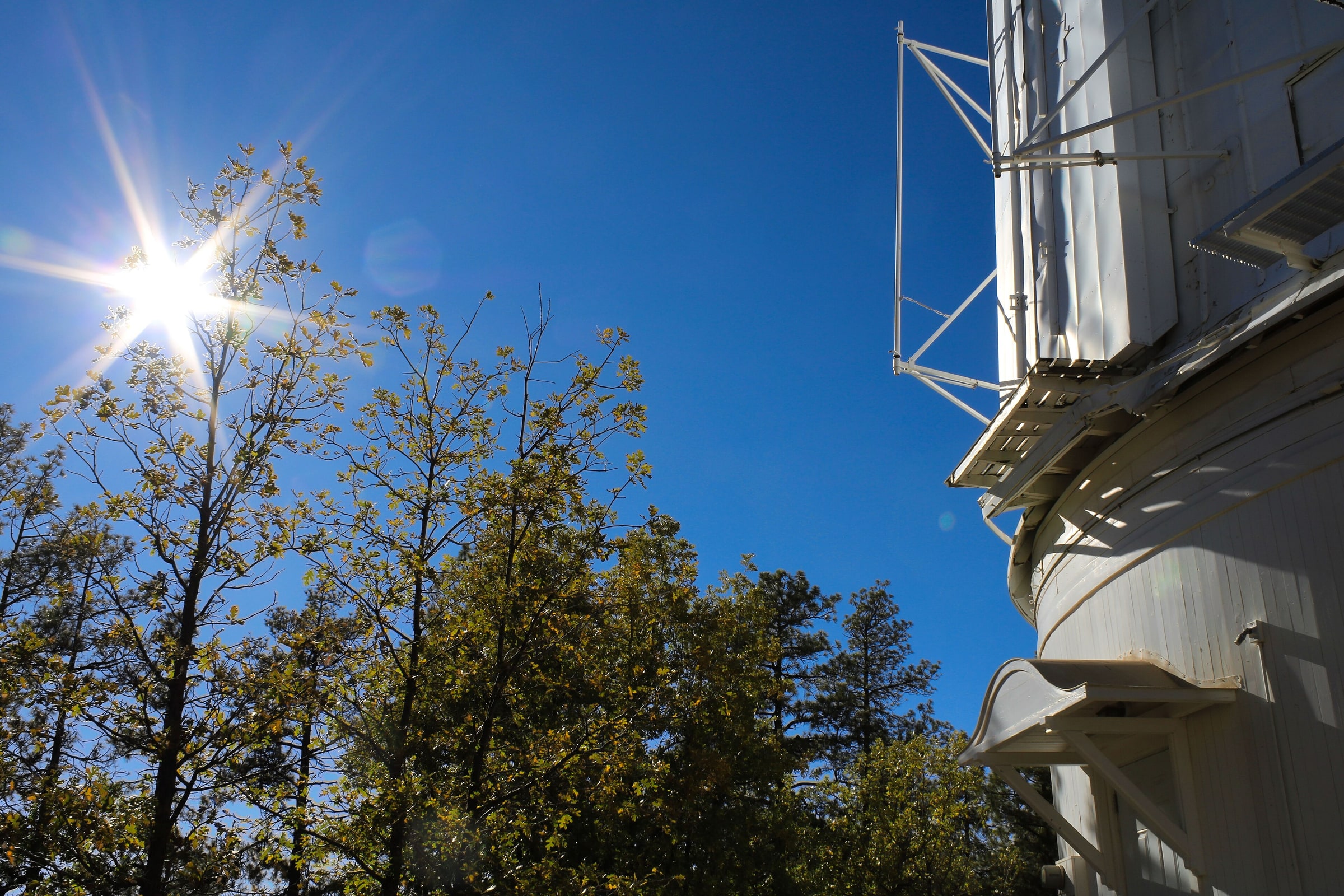
Look through a telescope at Lowell Observatory
Pluto was discovered here. Casual overachiever energy.
June 16, 2026 · By Shannon Roberts, Northern Arizona local, photographer, filmmaker, and enthusiastic detour-takerLowell Observatory makes the universe feel both enormous and oddly personal. You can stand where major astronomy happened, then look through a telescope and immediately develop opinions about Saturn.
Allow two hours after dark, plus travel time
Stargazers, families, photographers, date nights, and anyone prepared to put the bright phone away for a minute
Summer is cooler than the desert below, fall brings aspens and crowds, winter can mean snow and changing roads, and spring weather enjoys keeping everyone humble. Check conditions at Flagstaff’s elevation before leaving.
Shannon’s story
Yes, Saturn really looks like that
I have looked through a telescope at Lowell and seen Saturn with its rings. It looked so precise that my first reaction was basically disbelief. The view you receive depends on the season, weather, and observing program, so Saturn is not guaranteed. The possibility of seeing something that makes you briefly forget how sentences work is guaranteed enough for me.
Lowell works because it is not one static museum. You can move through the history of Pluto, step into historic buildings, use interactive exhibits, hear live talks, and observe through modern telescopes when conditions allow.
What admission includes
General admission typically includes more than 150 exhibits, historic buildings, scheduled tours and talks, the Marley Foundation Astronomy Discovery Center, children’s areas, and evening telescope viewing when weather permits. Programs change, so use the day’s schedule rather than a year-old itinerary.
The Pluto and history essentials
Clyde Tombaugh discovered Pluto at Lowell Observatory in 1930 using the astrograph visitors now see in the Pluto Discovery Dome. The Rotunda Museum holds historical exhibits and its stained-glass Saturn lamp. The Clark Telescope and other historic spaces connect the observatory’s past to the science still happening on Mars Hill.
The modern observatory experience
The Giovale Open Deck Observatory brings multiple telescopes together for public viewing. The Marley Astronomy Discovery Center adds immersive exhibits, a theater, a rooftop planetarium experience, a café, and spaces designed for children and adults who continue to be delighted by buttons.
Daytime or nighttime?
Day visits can include solar observing and exhibits. Evening gives you the strongest chance to look through telescopes at stars, planets, clusters, or other current targets. A long visit can span both. Clouds and wind may limit observing, but the indoor experience still carries the day.
Flagstaff elevation is part of the plan
Lowell sits above downtown Flagstaff at roughly 7,000 feet. Temperatures drop quickly after sunset, walking routes have grades, and some people feel elevation more than expected. Bring a layer, hydrate, and review current accessibility services if needed.
The short version before you leave
Check current programs, ticketing, weather, and accessibility. Evening conditions change quickly at Flagstaff elevation, so bring a layer even if daytime was showing off.
Go prepared. Follow the rules of the place. Leave with the story, not part of the landscape.
Questions people actually ask
Before this becomes twelve open browser tabs.
Is Lowell Observatory worth visiting?
Yes, especially if you enjoy astronomy, history, interactive museums, or family activities. The combination of historic discovery sites and active observing makes it more than a standard science center.
How long should I spend at Lowell Observatory?
Allow at least three hours. A half-day or a visit spanning afternoon into evening makes it easier to see exhibits, tours, talks, and telescope viewing.
Can you see through telescopes at Lowell?
Usually, weather permitting. Staff choose targets based on what is visible that night. A specific planet or object cannot be guaranteed.
Was Pluto discovered at Lowell Observatory?
Yes. Clyde Tombaugh discovered Pluto there in 1930, and visitors can see the historic telescope and dome connected to the discovery.
Should I buy tickets in advance?
Advance tickets are wise during weekends, holidays, and busy seasons. Check current hours, admission, and program schedules directly before your visit.
Is Lowell Observatory good for kids?
Yes. Interactive exhibits and dedicated children’s areas complement the history and telescope programs, though very late observing may test younger bedtimes.
Keep planning here
One stop down. Northern Arizona remains enormous.
Sources checked for this Travel Guide
These sources support factual, historical, and access information.
- Lowell Observatory official visitor and history information
- Lowell daily program descriptions
- Shannon’s firsthand visit
Hours, fees, roads, water, weather, and closures can change. Confirm time-sensitive conditions with the official operator or land manager before traveling.