Northern Arizona · September 28, 2026 · By Shannon Roberts
Sedona Itinerary: How to Spend 1, 2, or 3 Days
Plan one, two or three days in Sedona with realistic routes, hiking and no-hike choices, meal breaks, shuttle tips and weather backups.
Sedona is easy to overplan. A map makes Bell Rock, Cathedral Rock, Oak Creek, Uptown and West Sedona look like a tidy little cluster. A Saturday parking search, a trailhead shuttle and lunch with an actual wait can rearrange that map in a hurry.
Use this as a choose-your-own-length trip: Day 1 works alone, Day 2 adds a proper trail or a slower art-and-view day, and Day 3 gives West Sedona and the Verde Valley breathing room. The time blocks are planning allowances, not promises about traffic or how fast you hike. Pick one anchor each morning and let the rest of the day support it.
For the wider menu of activities, start with The Actually Useful Guide to Sedona. This page answers the narrower question: What fits together in a real day?
At a glance: choose your version
One day: Bell Rock area in the morning, a long lunch and Tlaquepaque in the middle, then one late-afternoon viewpoint. Keep the route mostly on the SR 179 side of town.
Two days: Do Day 1, then choose a shuttle-served hike such as Little Horse or Cathedral Rock if it suits your ability, followed by a low-pressure afternoon. The non-hiking version substitutes a chapel visit and more time for art, food or a spa.
Three days: Add a west-side morning at Red Rock State Park or another open, suitable trail. Stay in Sedona for the afternoon, or extend to Old Town Cottonwood when you genuinely want a second town.
If you arrive after lunch or leave before dinner, count that as a partial day. There is no prize for calling a six-hour visit “three days.”
Before you build the days
Choose your base for how you will move. Village of Oak Creek is convenient for a Bell Rock morning. Uptown puts you near shops and some dining but can mean more cross-town driving for western trailheads. West Sedona suits a west-side day. Our Sedona hotel chooser goes deeper into neighborhoods and individual stays.
Check access the day before each outdoor plan. The Coconino National Forest alerts are the source for trail and area closures. The Sedona Shuttle routes show which trailheads have service and the current schedule. The free trailhead routes normally operate Thursday through Sunday, with extra days in some busy periods. Cathedral Rock and Soldier Pass trailhead lots close when their shuttle routes run. The parking and shuttle guide has the park-and-ride map, pass rules and backup logic.
Allow the unglamorous time. Add about 30–45 minutes between stops in different parts of town, longer when roads or parking are busy. Give lunch at least an hour, and keep a flexible late afternoon. Book time-sensitive tours or dining in advance, then avoid stacking two reservations on opposite sides of Sedona.
Dress the day to the weather. Exposed red-rock hikes can be punishing in heat, while cold, wind, rain or icy rock can change what is safe in cooler months. Check the National Weather Service Sedona forecast and move the outdoor block earlier, shorten it or choose the indoor branch. Never enter a wash or creek crossing during a flood warning.
Day 1: the first-time Sedona loop
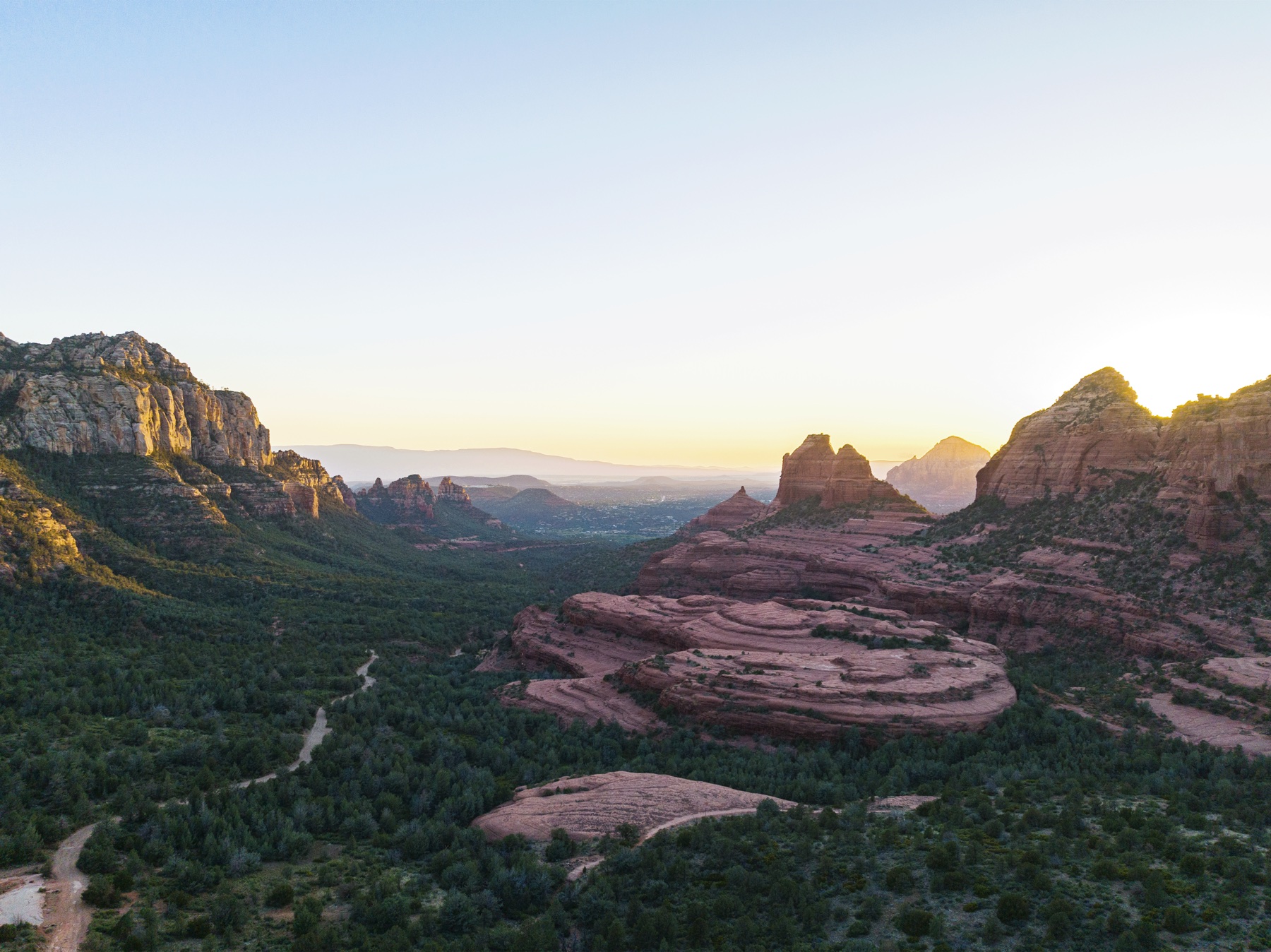
Morning — Bell Rock and Courthouse Butte, allow 2–3 hours. Start on the south side of town along SR 179. For a walk, use the Bell Rock Pathway as an out-and-back: turn around when the view and the group's energy say it is time. Do not treat scrambling up Bell Rock as the default beginner plan. The Forest Service trail guide describes the longer Courthouse Butte Loop and notes its exposed sections and pass requirement. Our Bell Rock sunrise guide covers a more specific early start.
No-hike branch: Keep Bell Rock as a scenic viewpoint from a legal pullout, then spend the walk time at the Red Rock Ranger District Visitor Center or another open, easy stop along SR 179. A viewpoint still counts. Your vacation does not need to submit a mileage report.
Midday — lunch and Tlaquepaque, allow 2–3 hours. Eat before everyone is hungry enough to dislike the itinerary. Then browse the courtyards, galleries and shops at Tlaquepaque Arts & Shopping Village. Its visitor page lists current hours, limited visitor parking and accessibility information; individual restaurant hours can differ. This is a sensible place to slow down, rather than a 20-minute photo stop. For a more detailed look, use the Tlaquepaque guide.
Late afternoon — one more view, allow 60–90 minutes. Choose a legal, open viewpoint on your route back to the hotel, or keep the late day for a longer dinner. Airport Mesa can be popular and parking can be tight; it is an option, not a required final exam. If the morning went long, skip this block without guilt.
Dinner: Eat near your lodging or wherever you ended the afternoon. Crossing town twice for a restaurant can take more from a short trip than the meal adds. The Sedona breakfast guide can help with the next morning; verify current restaurant hours and book when available.
Day 2: one trail, or a no-hike day with substance
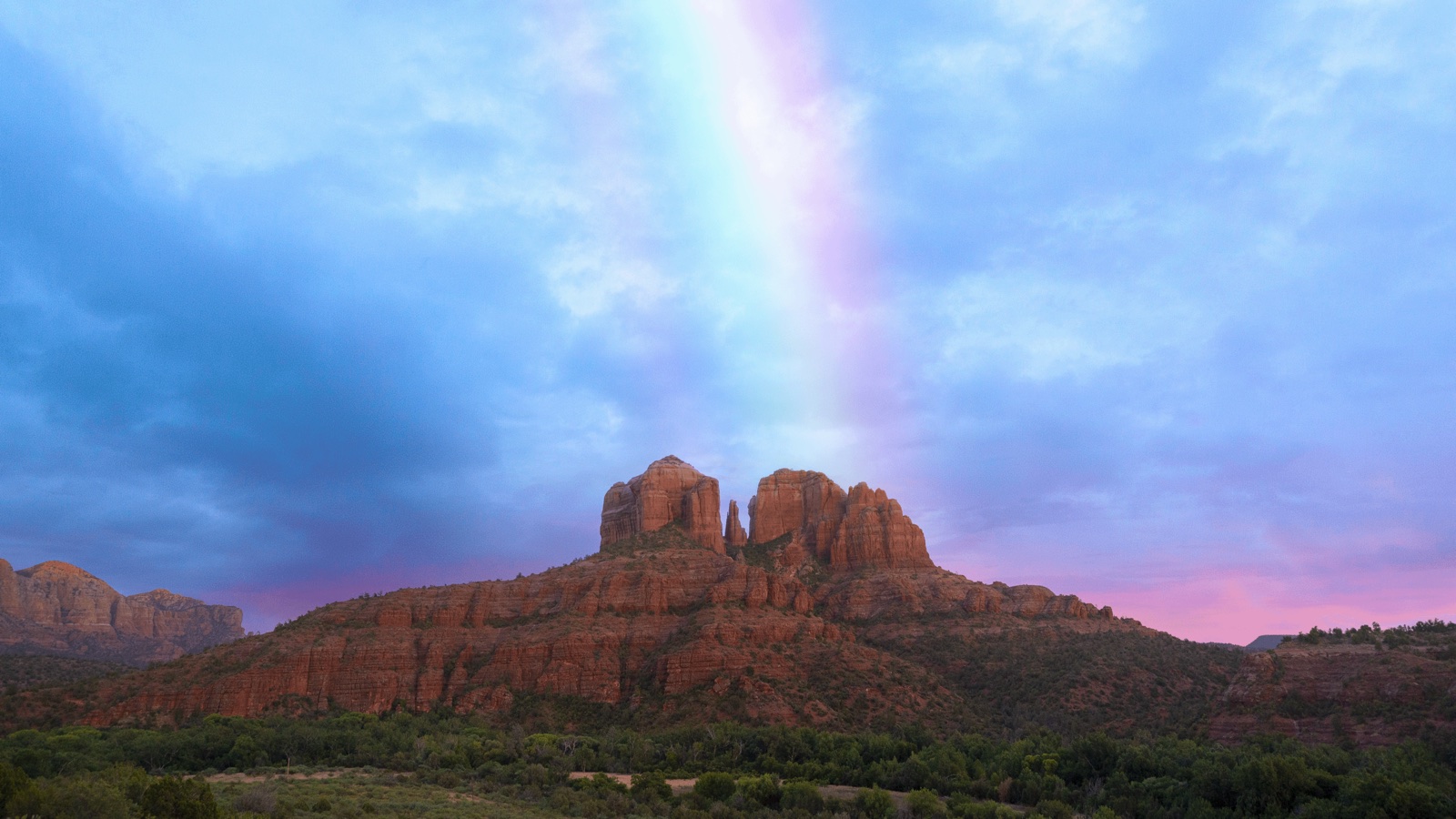
Morning — pick one main experience, allow 3–4 hours. Hikers can choose Little Horse, Cathedral Rock or another route that matches their ability and current access. These are alternatives, not a three-trail challenge. Cathedral Rock has steep slickrock and is a poor choice for someone seeking a gentle walk. Our hike chooser explains the tradeoffs. For shuttle-served trails, confirm the exact route, operating day and last return before leaving. Start early enough to allow for walking, waiting and a change of plan.
No-hike branch: Visit the Chapel of the Holy Cross as a quiet architecture-and-view stop, if it is open to visitors, then keep the rest of the morning for a gallery, guided tour or spa reservation. Check the chapel's own site before going, especially around services or holidays. Our full Sedona without hiking guide offers more ways to shape this branch.
Midday — a real reset, allow 90 minutes. Return to town for lunch. Do not count a trailhead snack as the meal that has to carry you into sunset. If your group split between hikers and non-hikers, this is the natural point to reunite.
Afternoon — leave it flexible, allow 2–3 hours. A museum, art stop, easy viewpoint or time at your hotel will feel better than racing to a second major hike. If morning weather forced a swap, use this block for the outdoor plan only if conditions and daylight have improved. On a crowded day, choose the activity with the least new parking uncertainty.
Day 3: West Sedona and an optional Verde Valley extension
Morning — Red Rock State Park, allow 2–3 hours. The park gives you designated trails, interpretive exhibits and red-rock scenery in a different setting from the heavily trafficked trailheads. Its own park page has current entry fees, hours and rules. This is a separate state-park fee; a Red Rock Pass is not a universal ticket. Stay on designated trails and respect creek rules. If park hours or weather do not fit, choose a west-side activity you can verify as open rather than improvising a closed trail.
Midday — lunch, then make one choice. Stay in Sedona for a slower afternoon, or head toward Old Town Cottonwood for shops, food and Arizona wine tasting. Cottonwood is an extension, not something to squeeze between a full hike and a timed Sedona reservation. The official Cottonwood visitor guide is a starting point; check each business's hours and arrange a sober driver if tasting. Budget travel time in both directions and more if traffic is heavy.
No-hike branch: Give the park's exhibits and accessible areas the morning, or use a Sedona gallery, spa or scenic tour instead. If your group wants a truly unhurried third day, stay in town. Cottonwood works best when exploring a second place is the point.
What to change when the plan stops cooperating
The parking lot is full: Use the shuttle where it serves your trail, or move to your preselected legal backup. Never use a neighborhood shoulder as an invented parking space.
The trail is closed: Follow the posted order and the Forest Service alerts. Our current Sedona closure update adds local context, but the official order controls access.
It is too hot, stormy or icy: Swap the outdoor morning for Tlaquepaque, an open museum, a tour or a long meal; reconsider the hike only after checking conditions. A famous trail is not worth a rescue call.
The group is tired: Remove the late-afternoon stop. Sedona is very good at being seen from one place for longer than planned.
Sedona itinerary FAQ
Is one day enough for Sedona?
One day is enough for a worthwhile introduction if you pick one outdoor area, allow a proper meal and avoid crossing town repeatedly. It is not enough to cover every famous trail and neighborhood.
Is two or three days better?
Two days let you pair the first-time SR 179 loop with a dedicated trail or no-hike day. Three days add West Sedona and room for a relaxed Verde Valley extension. Choose the length that fits your travel days and energy.
Can I do this itinerary without hiking?
Yes. Use the no-hike branch each day: scenic viewpoints, Tlaquepaque, the chapel when open, Red Rock State Park's interpretive areas, galleries, tours or a spa. The dedicated no-hike guide has more choices.
Do I need a car in Sedona?
A car gives this three-day route flexibility. The free Sedona Shuttle serves specific trailheads, and other transit options have defined service areas and hours. Verify your lodging and stops against Sedona Shuttle's current routes before planning a car-free version.
Do I need a Red Rock Pass?
Many Forest Service fee-site parking areas require a Red Rock Pass or an accepted federal pass, but state parks and some separately managed sites charge their own fees. Read the sign where you park. The free trailhead shuttle does not itself require a Red Rock Pass.
Before you go
Access, fees, hours and weather can change. I last verified the official shuttle, Forest Service, state-park, Tlaquepaque and Cottonwood planning sources on September 28, 2026. Check them again for your travel dates, and let one good Sedona moment take longer than the schedule says it should.