
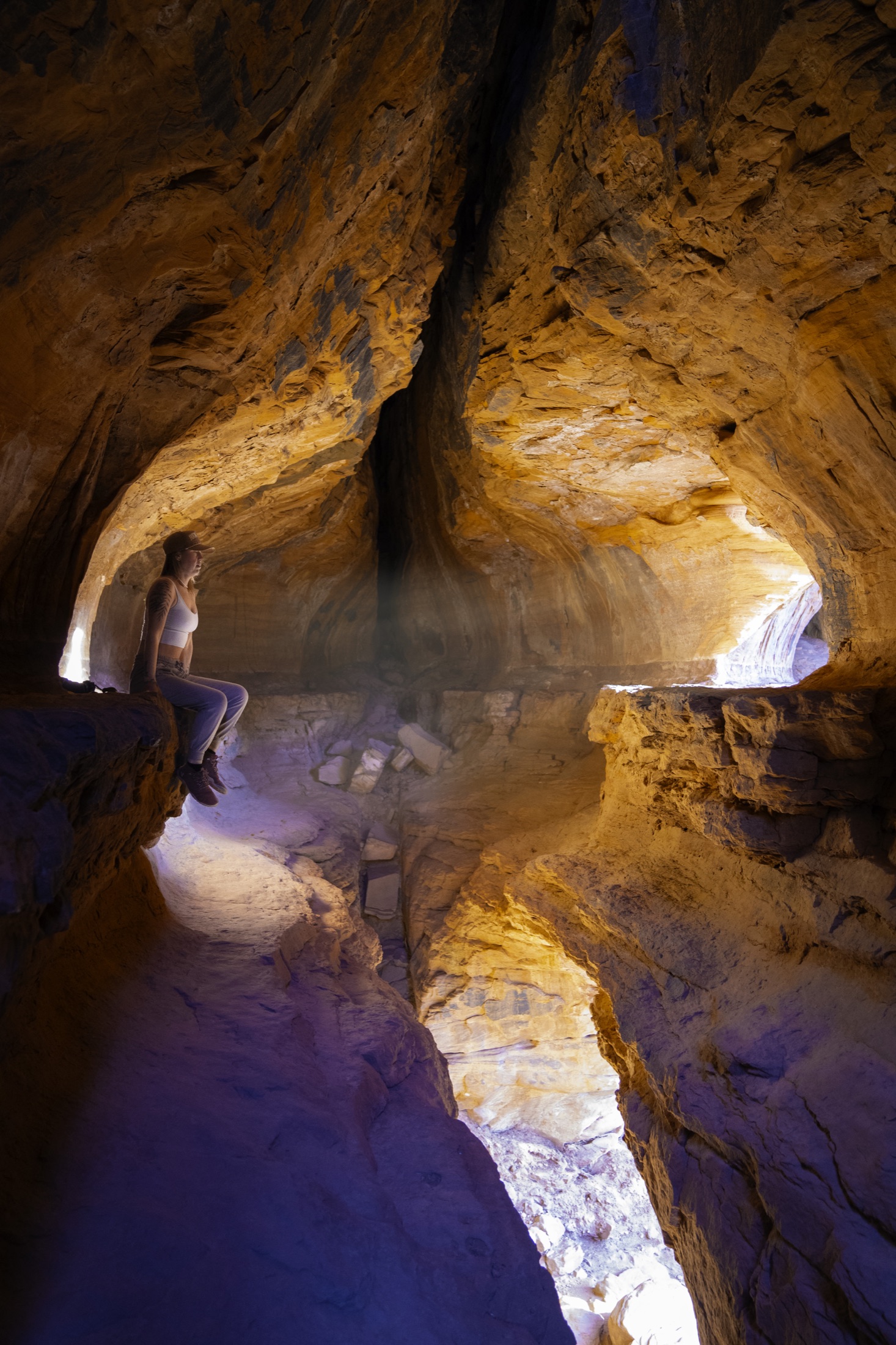
Northern Arizona Travel Guide · Sedona
Take one red-rock trail at your own pace
The best hike is the one suited to the day, weather, and actual humans involved.
June 4, 2026 · By Shannon Roberts, Northern Arizona local, photographer, filmmaker, and enthusiastic detour-takerA Sedona hike does not need to be the longest, steepest, or most famous trail to count. The win is choosing a route that matches the weather, your group, and the amount of joy left in everyone’s knees.
Allow two to four hours depending on the route
Hikers, active families, photographers, and anyone willing to choose the trail for the actual day rather than the internet
Early morning is the calmest bet in every season. Spring and fall bring comfortable weather and bigger crowds; summer requires heat and monsoon awareness; winter can be beautifully quiet and genuinely cold.
Shannon’s story
The hike is the experience
People come to Sedona for completely different reasons. One person wants a hard climb. Someone else wants to mountain bike. Someone else wants to sit quietly and take in the place. None of those visits is more legitimate than the others.
The mistake is treating a viewpoint like proof that the hike counted. Sedona is still Sedona before the final switchback. You still get the red rock, the quiet, the effort, and whatever you brought emotionally into the day. A turn-around is not a failure. Sometimes it is the smartest decision anyone in the group makes.
Sedona is not a competition. Choose the route for the humans who are actually standing in front of you, not the most athletic version of your group chat.
Start with the experience you want
Before opening a trail app, decide whether the day is about a scenic walk, a workout, solitude, photography, family time, mountain biking, or reaching a particular viewpoint. That answer narrows the options faster than a ranking called “ten best hikes” ever will.
- Scenic and low-pressure: shorter mileage, modest gain, easy navigation.
- Challenge: verify elevation gain, exposure, scrambling, and the return route.
- Quiet: choose an early start and a less-famous trailhead.
- Family or mixed ability: prioritize shade, turn-around options, and bathrooms.
Read the whole trail description
Mileage alone is a terrible narrator. Four flat miles and four exposed miles with scrambling are not the same story. Check total elevation gain, route-finding, shade, surface, seasonal creek crossings, exposure, and whether the difficult part arrives on the way back.
Weather changes the correct answer
Summer heat makes exposed trails far harder than their mileage suggests. Monsoon storms can bring lightning and flash flooding. Winter shade can hold ice. Check the forecast for Sedona itself, start early, carry more water than optimism recommends, and change the plan when conditions change.
Parking is part of trail difficulty
A trail is not accessible to your day if its lot is full and the legal alternative adds miles you did not plan. Check shuttle service, trailhead restrictions, and parking before leaving. Have one backup route in the same area so a full lot does not turn into an illegal roadside improvisation.
Know when to turn around
Turn around while you still feel good, before an exposed scramble, when weather builds, when water runs low, or when anyone in the group stops enjoying themselves. The return usually takes energy too. “We had a beautiful hike and made a good decision” is a much better story than the other options.
The short version before you leave
Check distance, exposure, elevation gain, trail access, heat, storms, and the trip back to the car. Start early and carry more water than your optimistic self thinks is necessary.
Go prepared. Follow the rules of the place. Leave with the story, not part of the landscape.
Questions people actually ask
Before this becomes twelve open browser tabs.
What is the best Sedona hike for beginners?
There is no single best trail. Look for modest mileage and elevation gain, clear navigation, and a route with easy turn-around options. Match it to the weather and your actual group.
How hard are Sedona hikes?
They range from paved walks to steep, exposed scrambles. Red-rock footing, elevation gain, heat, and route-finding can make a short trail feel difficult, so read more than the mileage.
What time should I start hiking in Sedona?
Early morning is usually best for cooler temperatures, easier parking, and calmer trails. In warm months, start near sunrise and avoid exposed hiking during peak heat.
Do I need a permit or pass to hike in Sedona?
Some trailheads require a Red Rock Pass or another recreation pass; others use shuttle or site-specific rules. Read the signs and confirm the exact trailhead before your visit.
How much water should I carry?
Needs vary by heat, effort, and person. Carry more than you expect to drink, start hydrated, and turn around before using half if there is no water available on the route.
Is it okay not to finish a Sedona hike?
Absolutely. The hike is the experience, not a performance. Turn around when the route, weather, or energy no longer fits your day.
Keep planning here
One stop down. Northern Arizona remains enormous.
Sources checked for this Travel Guide
These sources support factual, historical, and access information.
- Coconino National Forest visitor guidance
- National Weather Service Flagstaff
- Shannon’s experience hiking and photographing throughout Sedona
Hours, fees, roads, water, weather, and closures can change. Confirm time-sensitive conditions with the official operator or land manager before traveling.