Northern Arizona · September 22, 2026 · By Shannon Roberts
Best Places to Stargaze in Flagstaff and Sedona
A local guide to Lowell Observatory, the Flagstaff Star Party and free stargazing spots in Flagstaff, Sedona and Prescott.
Northern Arizona is one of those places where looking up can become the entire plan. Flagstaff was the world's first International Dark Sky City, Sedona is an International Dark Sky Community and the space between them gives you mountain overlooks, red-rock silhouettes and enough stars to make your phone camera feel personally attacked.
I stargaze throughout Flagstaff, Sedona and Prescott, and I was at Lowell Observatory again two days before writing this guide with friends and my children. Some nights I want telescopes and an astronomer explaining what I am seeing. Other nights I want a legal parking spot, a dark horizon and nobody asking me to calculate the orbital period of anything.
This guide includes both: Lowell Observatory and the 2026 Flagstaff Star Party for guided viewing, plus the free places I use when the sky itself is the program.
The quick answer: where should you stargaze?
Best complete astronomy experience: Lowell Observatory in Flagstaff Best free 2026 event: Flagstaff Star Party at Buffalo Park, October 1–3 Best easy Sedona view: Bell Rock area, using an open designated parking lot Best high-elevation horizon: Arizona Snowbowl area, when access and parking are open Best sunset-to-Milky-Way plan: Thumb Butte area in Prescott, subject to posted hours Best with young children: Lowell during the day for exhibits and solar viewing Most important rule: Use legal parking and check posted closing times before settling in
Lowell Observatory: my top recommendation for visitors
If someone visiting Flagstaff tells me they are interested in astronomy, I send them to Lowell Observatory. It is not just a nighttime stop, which matters when you have children who do not consider waiting until 9 p.m. a reasonable educational activity.
Lowell opens at noon during its current fall schedule. On clear days, the official itinerary includes live solar viewing at 12:30 p.m. through a filtered solar telescope. If clouds block the Sun, educators are still available to answer questions, but no observatory can negotiate visibility with the weather.
Inside the Marley Foundation Astronomy Discovery Center, more than 150 exhibits cover astronomy and space science. My kids love the hands-on Orbits Curiosity Zone, where younger visitors can build and launch rockets, experiment with light and explore a space-station play area. But the part they talk about most is looking through Lowell's telescopes. They think it is the coolest thing ever, and I tend to agree. A daytime visit still gives families a real experience even when bedtime arrives before the stars do.

At night, telescope viewing moves outdoors. The Giovale Open Deck Observatory has six public telescopes selected for different objects. What you see changes with the season, Moon, clouds and current sky. The historic Clark Telescope may also be open for viewing on clear nights.
The Dark Sky Planetarium is on the roof and uses the real sky rather than a projection dome. A presenter guides the audience through visible objects from heated seats. Heated does not mean tropical. Bring a jacket or blanket because Flagstaff does not cancel nighttime temperatures for educational programming.
General admission currently provides all-day campus access. Dark Sky Planetarium shows currently cost an additional $8. Check the current Lowell schedule and ticket prices before you go.
Flagstaff Star Party 2026 at Buffalo Park
The Flagstaff Star Party runs October 1–3, 2026, at Buffalo Park. It is free and includes public telescope viewing, presentations and family-friendly astronomy programming.
The event is an easy way to look through several telescopes without purchasing admission or knowing which telescope to buy. Volunteers and astronomers help visitors understand what they are seeing, and the exact targets change with conditions.
Buffalo Park can be cold after dark, and parking is limited during major events. Bring layers, use a red-light setting if you need a flashlight and keep white phone screens dim. Bright light ruins night vision for everyone around you surprisingly efficiently.
The program is still being updated, so confirm the nightly schedule before choosing one specific talk.
Bell Rock: my favorite easy Sedona stargazing area
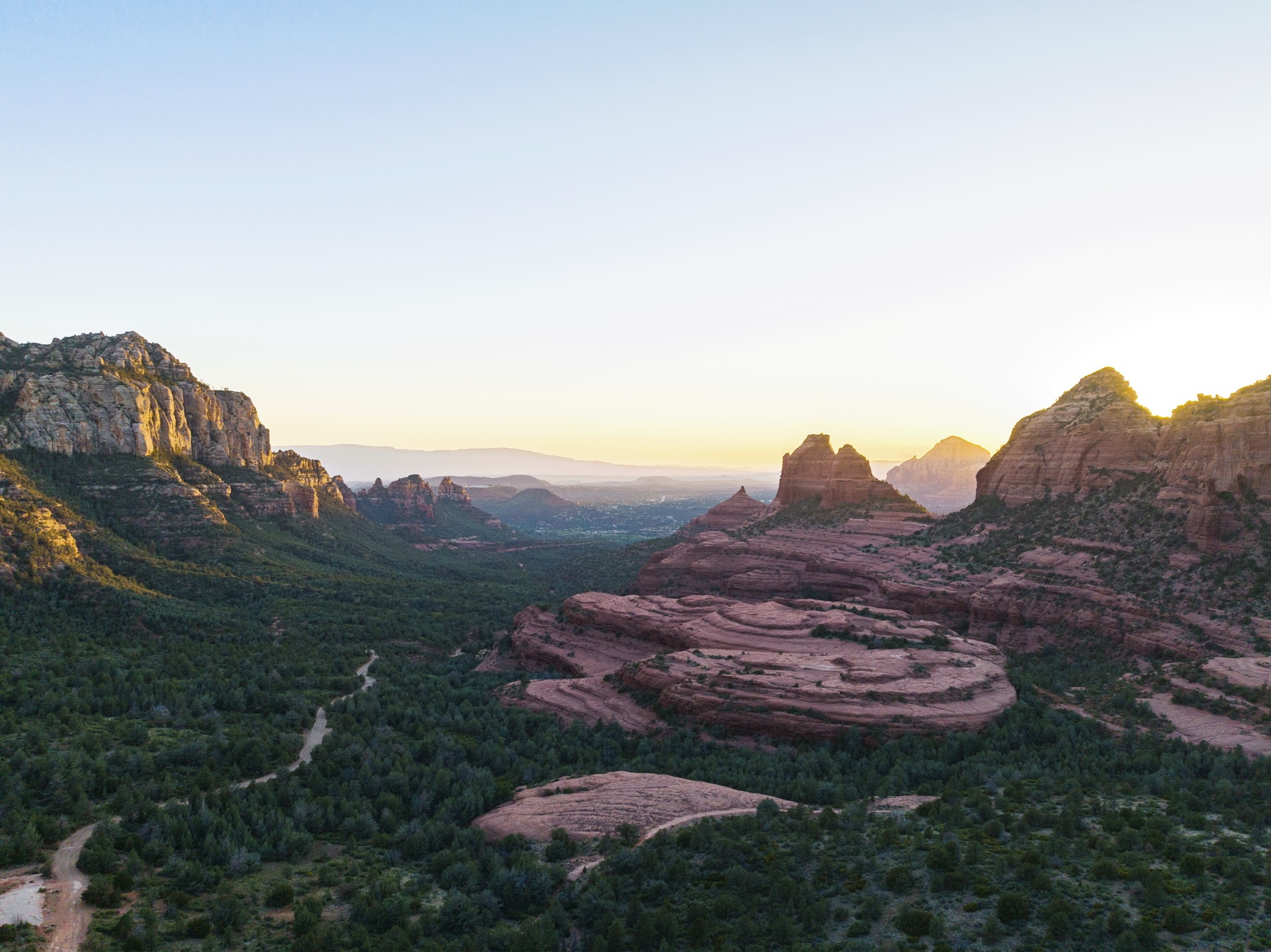
I love the Bell Rock area because it gives you broad views and recognizable red-rock silhouettes without requiring a remote drive. You are not only looking at stars; you are looking at the Sedona landscape beneath them, which makes the whole scene feel unmistakably here.
Use an open, designated parking area such as Bell Rock Vista or another legal trailhead lot, follow posted hours and display a Red Rock Pass or America the Beautiful pass where required. Do not park on the shoulder of State Route 179. A dark sky does not make a bad parking decision invisible.
Bell Rock is popular, so it is not always silent. Go after sunset on a clear weeknight for a calmer experience, and stay near your vehicle if you are unfamiliar with the trails. Night hiking adds navigation and terrain risks you do not need for a good view.
For more Sedona options that do not require a hike, use my guide to Sedona without hiking.
Arizona Snowbowl: the high-elevation view
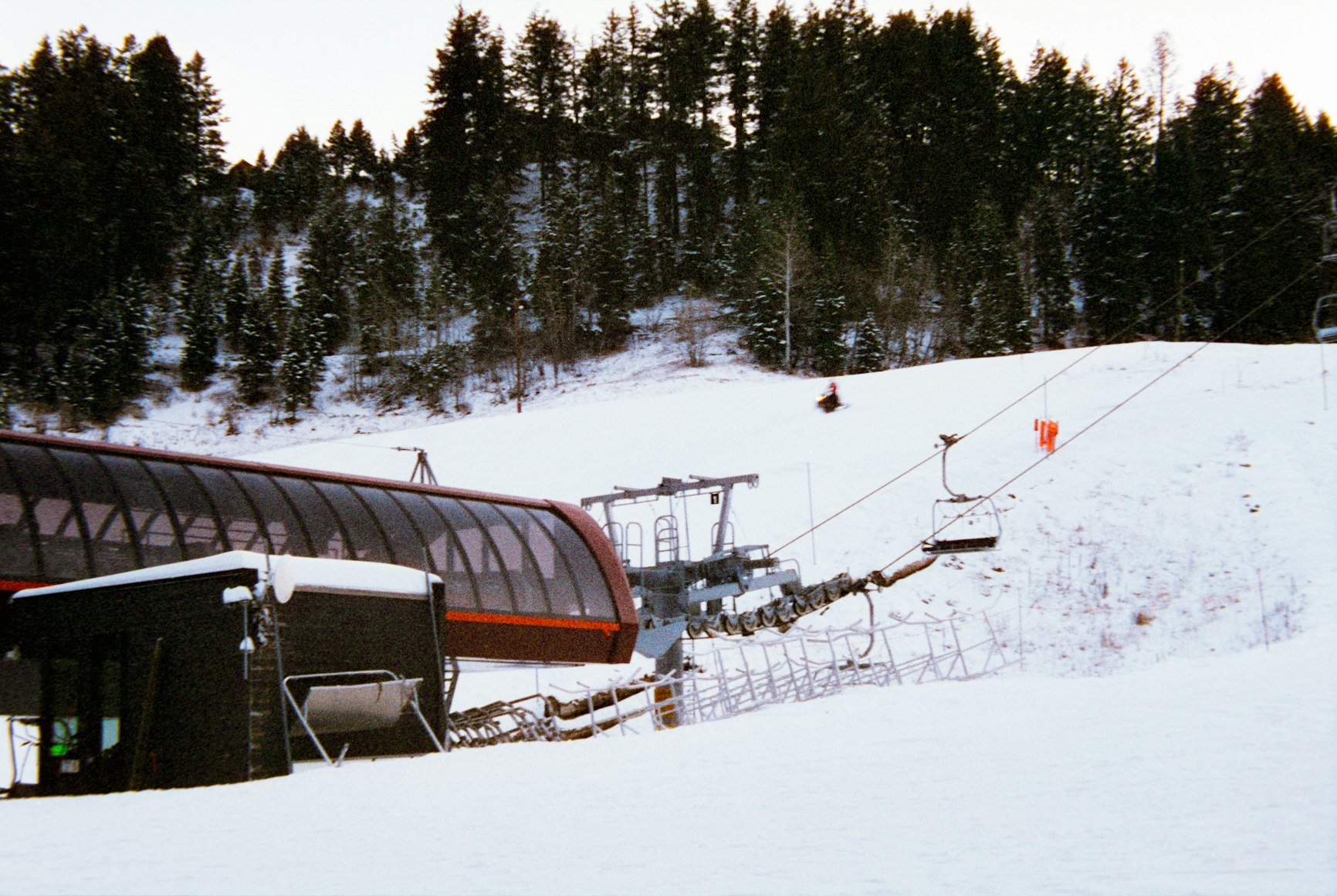
Snowbowl's elevation gives the horizon a huge, open feeling. I like the parking and picnic areas when they are open because you can see stars low across the landscape instead of peering between buildings.
Access changes with Snowbowl operations, weather and seasonal gates. Check Snowbowl's current hours and conditions before driving up, use only open parking areas and never block gates. Temperatures are often dramatically colder than downtown Flagstaff.
If you want to make a full fall day of the mountain, read my Snowbowl Scenic Gondola guide and stay for sunset only when the published schedule allows it.
Thumb Butte area in Prescott: sunset first, Milky Way second
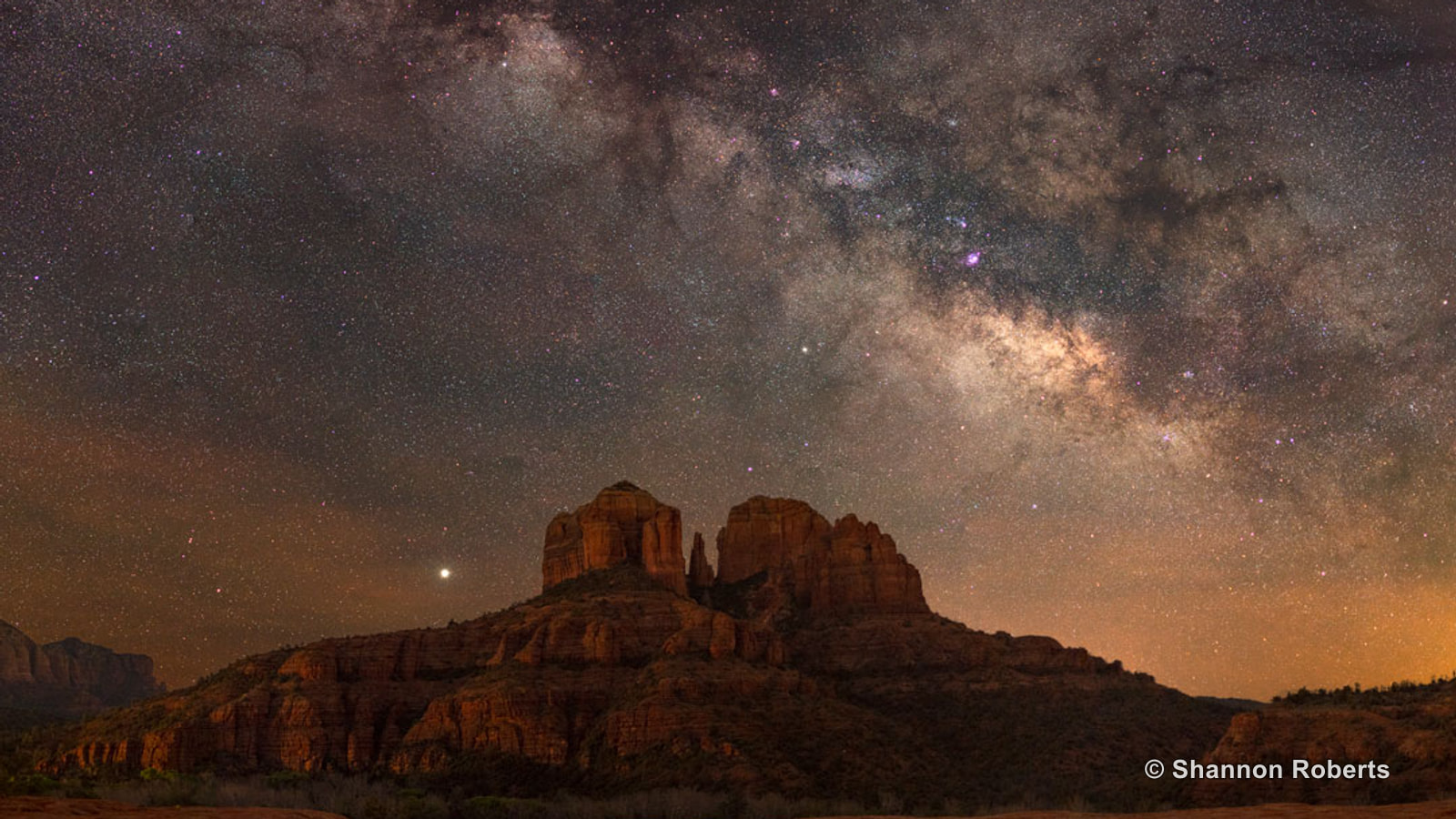
One of my favorite Prescott plans is watching sunset from the Thumb Butte area and then waiting for the Milky Way to rise during Milky Way season. The view opens across the landscape, and the transition from warm evening light to a dark sky is the best part.
Parking areas around city recreation sites can have posted hours or fees. Confirm current access before planning to remain after dark. If a gate or sign says the area is closed, move to a legal public viewpoint. No photograph is improved by having your car locked behind a gate.
The Milky Way's bright core is seasonal and its position changes through the night. That is the planning problem I built Sky Daddy: Night Sky to solve. Before I drive out, I use its local sky score and best viewing window to see how clouds, darkness, Moon illumination and estimated light pollution line up; it also shows the Milky Way core's timing and direction, with hour-by-hour and seven-night outlooks. It is a useful first check, not a guarantee—weather changes quickly, and I still confirm local conditions and access before leaving.
How to choose a clear, dark night
Check three things: cloud cover, Moon phase and smoke or haze. A nearly full Moon can be beautiful, but it washes out faint stars. For the Milky Way, choose a darker Moon window and look for a time when the core is above the horizon.
Arrive before total darkness if you do not know the area. This lets you identify the entrance, signs and uneven ground while you can still see them. Tell someone where you are going, bring water and carry a light with a red mode.
Give your eyes 20 to 30 minutes to adjust. Avoid bright screens and headlights. If another group is observing nearby, turn off unnecessary vehicle lights as soon as it is safe.
Stargazing with children
For younger children, I recommend Lowell during the day or early evening. Solar viewing, exhibits and the kids' area deliver something concrete before anyone becomes tired.
For a free outing, keep it short. Bring chairs, blankets, warm clothes and snacks. Choose a spot near legal parking instead of creating a long night hike. Let children find a few recognizable objects—the Moon, a planet or a constellation—rather than requiring a graduate seminar before bedtime.
Flagstaff and Sedona stargazing FAQ
Is Lowell Observatory worth it with children?
Yes. The daytime exhibits, children's area and possible solar viewing make it useful even before dark. Night programs add telescopes and guided sky viewing for children who can stay later.
Is the Flagstaff Star Party free?
Yes. The October 1–3, 2026 event at Buffalo Park is advertised as free, with public telescope viewing and educational programs.
Can you stargaze at Bell Rock?
Yes, from open legal parking areas with required passes displayed. Check posted hours and do not park on highway shoulders.
When is the Milky Way visible in Arizona?
The bright core is generally most prominent from spring through early fall, with its position and viewing time changing throughout the season. Check the Moon and a sky-planning app for your exact date.
Do you need a telescope?
No. Dark skies, binoculars or your eyes are enough for many constellations, planets and the Milky Way. Lowell and the Star Party are better choices when you want guided telescope access.
What should I wear for stargazing in Flagstaff?
Bring more layers than the daytime forecast suggests. High-elevation temperatures drop quickly after sunset, especially at Snowbowl.
Before you go
I last verified the 2026 event calendar, Lowell programs and public-access guidance on September 21, 2026. Weather, smoke, parking and operating hours can change. Check each official site the day of your visit.
Pair a clear night with my Flagstaff coffee guide for the following morning. If you stay out until midnight identifying constellations, coffee becomes less of a recommendation and more of an operational requirement.
All photographs in this guide are by Shannon Roberts. © Shannon Roberts. All rights reserved.