
Northern Arizona Travel Guide
The Actually Useful Guide to Flagstaff
Pines, planets, and an actual downtown
June 15, 2026 · By Shannon Roberts, a local guide to the places, logistics, and details that make the trip workFlagstaff is where Northern Arizona changes outfits. The elevation climbs, the red rocks give way to ponderosa forest, and four real seasons show up with opinions. It is a strong home base for food, history, stargazing, family trips, and Grand Canyon day trips.
Summer escapes, families, dark skies, history, breweries and restaurants, winter trips, and travelers who like a town with a pulse.
Two to four nights
Flagstaff sits around 7,000 feet. Pack layers, respect the altitude, and check winter roads even when Phoenix is acting like seasons are a rumor.
The good stuff
Five things worth building the trip around.
Not every possible activity. Just the places and experiences most likely to make the trip feel like yours.
Walk historic downtown and Route 66
Start around the visitor center, then follow the mix of railroad history, murals, local shops, restaurants, and excellent post-adventure wandering.
Look through a telescope at Lowell Observatory
Pluto was discovered here. The bar for a productive evening is therefore unreasonably high, but the experience is worth it.
Choose one national monument, or make a loop of three
Walnut Canyon, Sunset Crater Volcano, and Wupatki each tell a different part of the landscape and its human history.
Get into the ponderosa forest
Walk, bike, picnic, ski, or take a scenic drive near the San Francisco Peaks. In fall, arrive early because every leaf has developed a fan club.
Give the night sky its own plan
Flagstaff has a deep astronomy identity. Pick an observing spot or program before dark and bring a layer even if the daytime forecast looked friendly.
The part that makes the trip work
What to know before the logistics start freelancing.
Treat 7,000 feet like useful information
Flagstaff sits around 7,000 feet, and many forest or mountain destinations climb higher. Hydrate, pace the first day, use sun protection, and expect evenings to cool quickly. Travelers with heart, lung, or altitude concerns should choose effort conservatively and ask a medical professional for personal guidance.
Downtown is walkable; the landscape is not
Historic downtown and the Route 66 core work well on foot. A vehicle is useful for Walnut Canyon, Wupatki, Snowbowl-area access, and forest destinations. In winter, use Arizona 511 and the Flagstaff snow resources before driving. Do not park or stop along Highway 180 to improvise a snow-play area.
Four seasons means four different trips
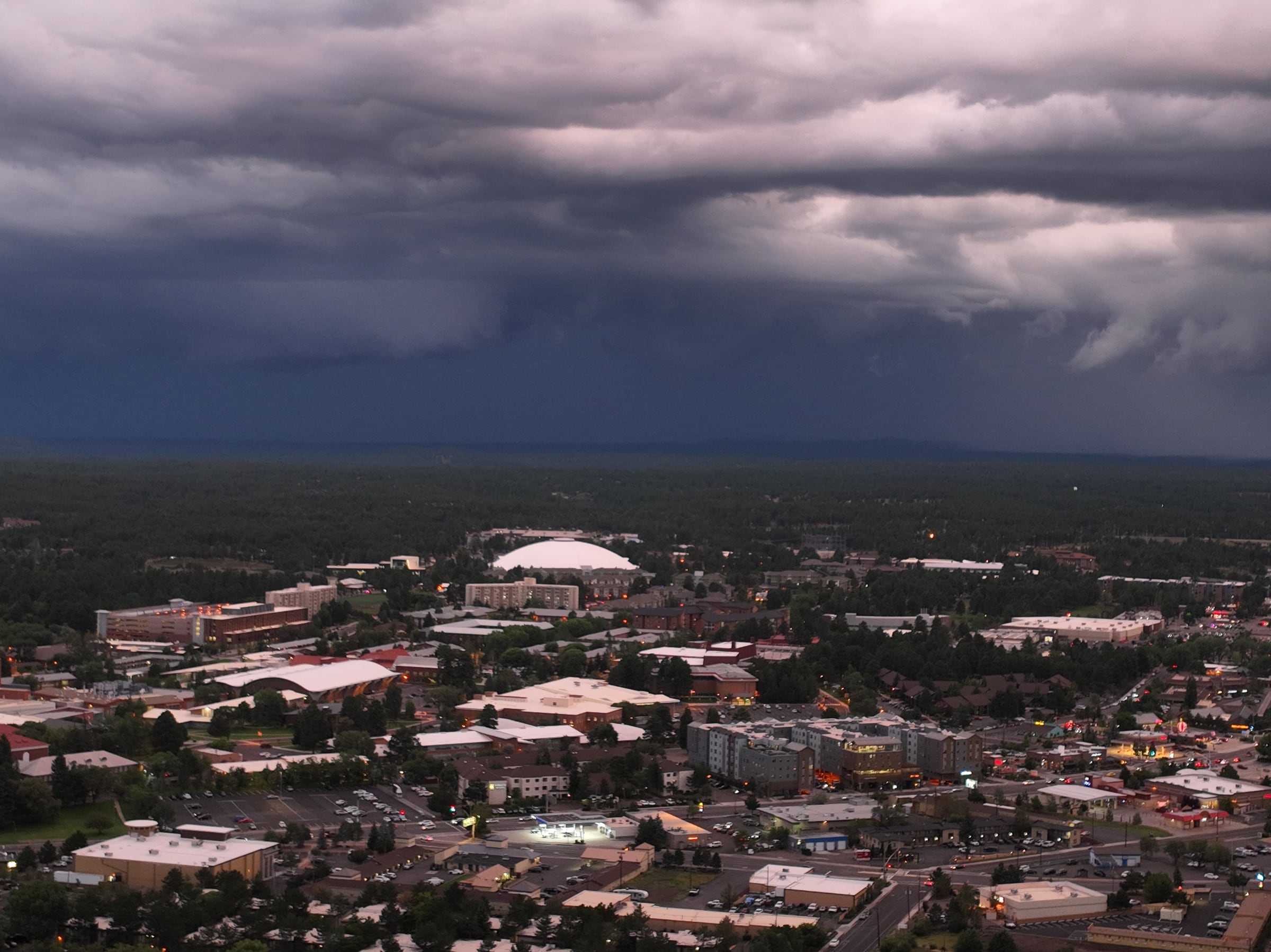
Summer brings pleasant mornings and frequent afternoon monsoon storms. Fall color can be brief and crowded. Winter brings real snow, ice, road restrictions, and excellent indoor backup plans. Spring can shift from sunny patio weather to snow with very little concern for your packing strategy.
What to reserve
Book Lowell Observatory admission, popular dinners, holiday lodging, Snowbowl activities, and special events early. National-monument entrance normally does not require timed entry, but hours and trail access can change because of snow, ice, fire danger, or staffing.
Families, accessibility, and pets
Flagstaff offers an unusually good mix of indoor and outdoor choices for families. Lowell, museums, downtown, scenic drives, and accessible monument viewpoints can balance harder trails. Pet rules differ across city property, National Forest, National Park Service sites, observatory grounds, and businesses, so check the exact stop before bringing a dog.
If you only have one full day
A useful rhythm, not a military operation.
Walnut Canyon or a forest walk while the day is cool.
Downtown lunch, local shops, and a Route 66 wander.
Dinner followed by Lowell Observatory or a dark-sky outing.
Before you go
Five minutes of planning can save an impressive amount of nonsense.
- Check altitude and weather
- Pack layers in every season
- Confirm monument hours and current closures
- Check winter road conditions
- Plan astronomy activities before dark
Questions people actually ask
The quick answers before the browser-tab situation escalates.
How many days do you need in Flagstaff?
Two to four nights is useful. Two nights covers downtown plus one major attraction; three or four gives room for national monuments, forest time, astronomy, weather, and a Grand Canyon day trip.
Will I feel the altitude in Flagstaff?
Possibly. Flagstaff is around 7,000 feet, so some visitors notice shortness of breath, headache, fatigue, or dehydration. Slow down, hydrate, and reduce strenuous plans if you feel unwell.
Do I need a car in Flagstaff?
Not for a downtown-focused stay, but most forest areas, national monuments, and regional day trips are easier with one. Weather and road conditions should decide winter driving plans.
What is the best season to visit Flagstaff?
Summer is popular for cooler weather, fall for aspens, winter for snow, and spring for quieter travel with highly changeable conditions. The right season depends on whether you want hiking, color, skiing, or indoor culture.
Does Flagstaff get real snow?
Yes. Flagstaff receives significant winter snow, and roads, parking, and recreation access can change quickly. Check Arizona 511, the local winter map, and the Snow-ometer before driving.
Is Lowell Observatory worth it if the weather is cloudy?
Clouds may limit telescope viewing, but exhibits, historical interpretation, presentations, and indoor experiences still provide value. Review the current program and weather policy before purchasing.
Can I visit the Grand Canyon from Flagstaff?
Yes. The South Rim is roughly 80 miles away and works as a full-day trip. Start early, check park conditions, and do not plan a late return as though wildlife and winter roads have signed a contract with you.
Is downtown Flagstaff walkable?
Yes. The historic core is compact, with restaurants, shops, murals, the visitor center, and Route 66 history within a comfortable walking area.
Is Flagstaff good for families?
Yes. Lowell Observatory, museums, national monuments, parks, snow activities, and easy forest outings make it simple to mix education with movement and snacks.
What should I pack for Flagstaff?
Pack layers, sun protection, water, and shoes suited to the day. Add traction and winter emergency supplies when snow or ice is possible, even if lower Arizona is warm.
Research sources and current-condition references
These sources support factual details. Verify time-sensitive closures, weather, fees, permits, and access before traveling.