
Northern Arizona Travel Guide · Flagstaff
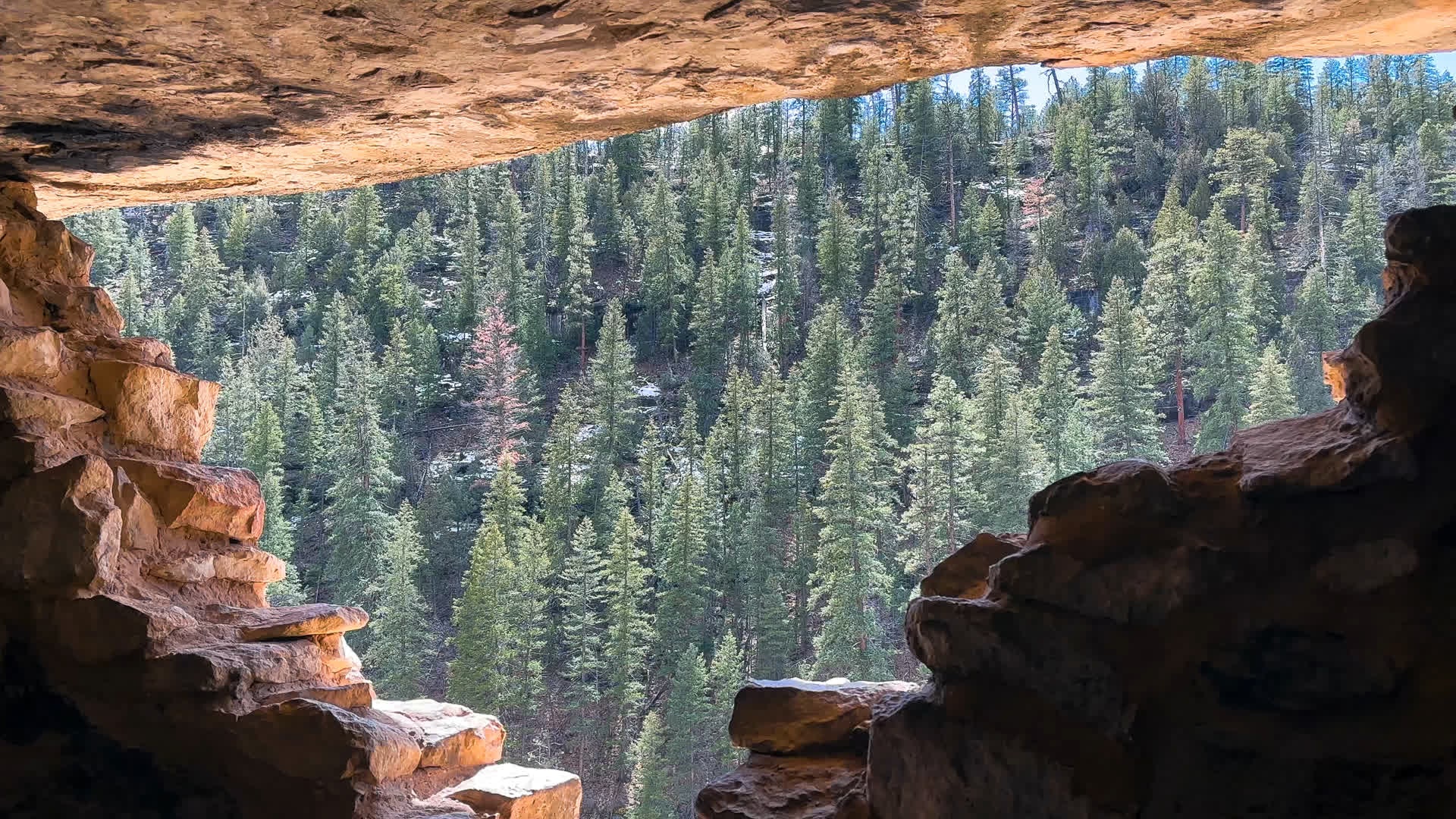
See the cliff dwellings at Walnut Canyon
Choose the Rim or Island Trail based on current access and your knees.
June 22, 2026 · By Shannon Roberts, Northern Arizona local, photographer, filmmaker, and enthusiastic detour-takerWalnut Canyon brings landscape and human history into the same frame. The cliff dwellings deserve more than a scenic glance, and the canyon itself makes the route feel much farther from Flagstaff than it is.
Allow 90 minutes to half a day
Curious travelers, families, cultural history, slower itineraries, and people who read the signs instead of sprinting past them
Summer is cooler than the desert below, fall brings aspens and crowds, winter can mean snow and changing roads, and spring weather enjoys keeping everyone humble. Check conditions at Flagstaff’s elevation before leaving.
Shannon’s story
The hike looked innocent from the visitor center
I took my kids on the full Island Trail and it was steeper and harder than I expected. We did it, we loved it, and we all understood the stairs much more personally on the climb back out. Summer heat and Flagstaff’s elevation make that return feel bigger than the mileage suggests.
What stayed with me was not simply the masonry. It was imagining families raising babies, preparing food, and building daily life into the canyon walls. Once you descend among the dwellings, the site stops feeling like a distant archaeological fact and starts feeling human.
Island Trail versus Rim Trail
The Island Trail is about one mile round trip and descends roughly 185 feet by many stairs. It passes approximately twenty-five cliff-dwelling rooms before climbing back to the visitor center. The Rim Trail stays above the canyon and offers overlooks and interpretation with fewer physical demands, though current segments and access should be confirmed.
Why the visitor center matters
Begin with the museum and orientation. Context about the people archaeologists call Sinagua, the wider Indigenous connections to the landscape, trade, farming, and water changes what you notice below. Without it, the visit risks becoming “old walls, nice canyon,” which is not enough.
Heat, altitude, and timing
The monument sits around 7,000 feet. The Island Trail is partly shaded but still strenuous, and summer monsoon storms can arrive quickly. Morning is generally the calmer choice. Current regular hours are 9 a.m. to 5 p.m.; final Island Trail entry is 4 p.m. and the Rim Trail closes at 4:30 p.m. Snow, ice, fire danger, and holiday schedules can change access.
A respectful visit
Stay on the trail and do not touch, climb, or enter closed rooms. These are protected cultural places connected to living communities. Carry water, move slowly on stairs, and let faster hikers pass rather than turning a national monument into stair intervals.
The short version before you leave
Check current trail access and operating hours. The Island Trail includes stairs and elevation; the Rim Trail offers a more accessible way to experience the setting.
Go prepared. Follow the rules of the place. Leave with the story, not part of the landscape.
Questions people actually ask
Before this becomes twelve open browser tabs.
How difficult is the Walnut Canyon Island Trail?
It is short but strenuous because it descends and climbs many stairs at about 7,000 feet. Heat, ice, and altitude can increase the difficulty.
How many stairs are at Walnut Canyon?
The Island Trail includes a long stair descent and return climb. Official descriptions emphasize the substantial stairs and 185-foot elevation change rather than one permanent count, because routes and access can change.
Can you see cliff dwellings without hiking the Island Trail?
The Rim Trail and visitor center overlooks provide canyon views and interpretation, but the Island Trail offers the closest view of the dwelling rooms.
How long does Walnut Canyon take?
Allow two to three hours for the museum and Island Trail. A visitor-center and Rim Trail stop can be shorter.
Is Walnut Canyon good for children?
Many families enjoy it, but adults should realistically assess stairs, elevation, weather, and each child’s endurance. Shannon completed the loop with her children and found it more demanding than expected.
Do I need an entrance pass?
The monument charges admission or accepts qualifying federal passes. Confirm current fees and hours before visiting.
Can I bring my dog?
Leashed pets are allowed on the Rim Trail and in the parking area, but not inside the visitor center or on the Island Trail. Service animals follow separate federal rules.
Keep planning here
One stop down. Northern Arizona remains enormous.
Sources checked for this Travel Guide
These sources support factual, historical, and access information.
- National Park Service Walnut Canyon trail and visitor information
- National Park Service cultural interpretation
- Shannon’s family visit
Hours, fees, roads, water, weather, and closures can change. Confirm time-sensitive conditions with the official operator or land manager before traveling.